The House Edge Explained
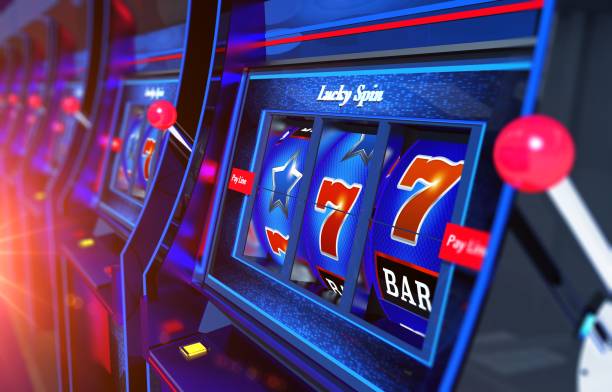
The concept of the house edge is fundamental to understanding why beating the house at a casino is a challenge. The house edge refers to the mathematical advantage that a casino has over its players. This advantage varies depending on the game being played. For instance, slot machines generally have a higher house edge compared to games like blackjack, where skilled players can minimize that edge through strategy. Many players also explore options like neosurf australia casino to find favorable conditions and bonuses. Knowing the specifics of the house edge in each game is crucial to developing a winning strategy.
Many players enter a casino believing that luck is the primary factor in winning; however, they often overlook the influence of the house edge. Games like roulette may seem random, but the odds are carefully designed to favor the casino. Even games perceived as skill-based, such as poker, have a built-in advantage for the casino, often through the rake charged on each pot. Understanding the house edge empowers players to make informed decisions about which games to play and how to manage their bankroll effectively.
Additionally, the house edge is not just a fixed number; it can be influenced by the player’s choices, strategies, and even psychological factors. For instance, players who stick to basic strategies in games like blackjack can significantly lower the house edge. This knowledge encourages players to educate themselves about the intricacies of each game and develop strategies that could potentially improve their chances of winning, even within the bounds of the house advantage.
Strategies to Enhance Your Odds
While the house edge is a formidable opponent, players can employ various strategies to enhance their odds of winning. One effective strategy is to focus on games with the best odds for players, such as blackjack or video poker. By learning optimal strategies, such as when to hit, stand, or double down in blackjack, players can reduce the house edge significantly. This method involves understanding the basic rules of the game and applying mathematical principles to make the best decisions.
Another method to improve chances against the house is to use betting strategies like the Martingale system or the Fibonacci strategy. These systems involve adjusting bet sizes based on wins and losses, aiming to recapture losses and increase winnings over time. While these strategies can create short-term success, it’s critical for players to recognize that they do not change the fundamental odds of the game. Therefore, they should be used with caution and a clear understanding of their potential risks.
Moreover, bankroll management is an essential aspect of improving one’s odds at the casino. Players must establish a budget before playing and stick to it, ensuring they do not exceed their limits. By managing their bankroll wisely, players can extend their playtime, which may lead to more opportunities to win. Adopting a disciplined betting approach helps mitigate losses and allows for better decision-making during gameplay.
The Role of Skill in Casino Games
Skill plays a significant role in certain casino games, especially those that involve strategy and decision-making. In poker, for example, players who understand the game’s nuances, such as reading opponents and bluffing effectively, can outperform less experienced players. This skill-based aspect creates a dynamic where an experienced player can consistently beat the house, as the house’s advantage arises primarily from participating in games with less skilled opponents.
In addition to poker, games like blackjack also reward skillful play. By utilizing strategies such as card counting, experienced players can gain an advantage over the casino. Although casinos actively monitor for card counters and may ban them from playing, the principle behind card counting demonstrates that skillful play can indeed lead to favorable outcomes. This highlights the importance of investing time in learning and practicing the skills necessary to excel at particular games.
However, it is essential to recognize that not all games are created equal in terms of skill influence. Many games, like slots and roulette, are purely chance-based and do not allow for player skill to affect the outcome. Understanding this distinction is vital for players to set realistic expectations and choose games where their skills can provide an edge against the house.
The Psychology of Gambling
The psychology of gambling is an integral aspect that affects how players interact with games and manage their expectations. Many individuals approach casinos with the hope of winning large sums of money, often influenced by the thrill and excitement of gambling. This mindset can lead to impulsive decisions, such as chasing losses or increasing bet sizes in a bid to regain a losing streak. Recognizing these psychological triggers is crucial for maintaining a balanced approach to gambling.
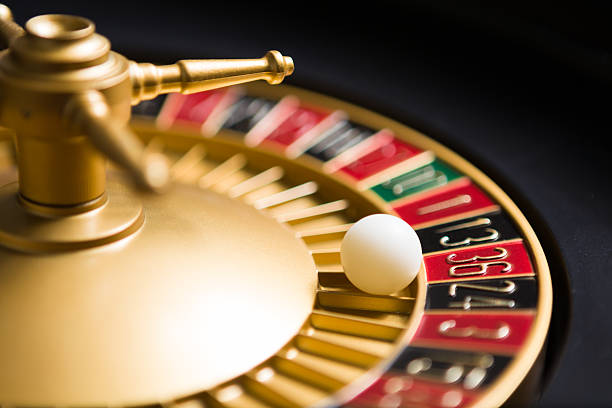
One fascinating aspect of gambling psychology is the concept of the ‘gambler’s fallacy,’ where players believe that past events will influence future outcomes. For example, if a roulette wheel has landed on red several times in a row, a player may feel that black is overdue, leading to irrational betting behavior. Understanding that each spin is independent can help players make more rational decisions and avoid falling victim to this common cognitive bias.
Moreover, developing a healthy mindset about winning and losing is essential for long-term enjoyment of casino games. Players who view losses as part of the experience and practice responsible gambling are more likely to maintain a positive relationship with their gaming habits. This psychological resilience can lead to more satisfying gambling experiences, allowing individuals to appreciate the entertainment value of casinos rather than focusing solely on the outcome of each game.
Further Insights and Resources
For those interested in delving deeper into the world of gambling strategies and understanding the complexities of casino games, numerous resources are available. Educational websites and forums provide insights into various strategies, player experiences, and expert advice. Engaging with a community of fellow gamblers can enhance one’s knowledge and offer support in developing winning strategies, alongside gaining better control over gambling habits.
Additionally, many casinos offer classes or workshops for beginners, focusing on popular games like blackjack or poker. These sessions can provide valuable insights into the rules and strategies of the games, helping players become more adept and confident in their gameplay. Furthermore, using online simulators and practice apps can allow individuals to hone their skills without the financial risk associated with real gambling.
Ultimately, understanding the dynamics of casino gaming, the importance of skill, and the psychological aspects of gambling can greatly enhance one’s experience. With the right knowledge, strategies, and a responsible mindset, players can find enjoyment in the gaming process while minimizing potential losses, making their time at the casino not just about beating the house but also about the fun and excitement of the game itself.